
Building a Competitive Compensation and Benefits Package in Hong Kong
A well-designed compensation and benefits strategy plays an important role in attracting skilled talent, improving employee retention, and supporting business growth. For companies operating in Hong Kong, employers must consider both statutory employment requirements and market expectations when developing an attractive benefits package.
Hong Kong has a competitive labor market where employees often evaluate not only salary but also the overall benefits and workplace support offered by employers. A comprehensive compensation and benefits plan helps businesses remain competitive while ensuring compliance with local employment regulations.
FastLaneRecruit helps businesses understand Hong Kong employment practices and develop effective workforce solutions that align with local requirements and business objectives.

Hong Kong Population
7,333,200
Official language
Chinese, English
Capital city
Tamar
Official currency
Hong Kong Dollar (HKD)
Employee Benefits in Hong Kong
Beyond meeting legal obligations, many employers provide additional benefits to strengthen their employee value proposition and attract qualified professionals.While statutory benefits establish the minimum requirements employers must provide, many companies offer supplementary benefits to differentiate themselves in the talent market.
Common additional employee benefits in Hong Kong may include:
Performance bonuses and incentive programs
Employee rewards programs
Private medical insurance
Flexible working arrangements
Education or professional development support
Transportation allowances
Dental coverage
Remote working options
Statutory Employee Benefits in Hong Kong
These statutory benefits generally apply to employees working under a continuous contract, which typically refers to employees who work at least 18 hours per week for four consecutive weeks.
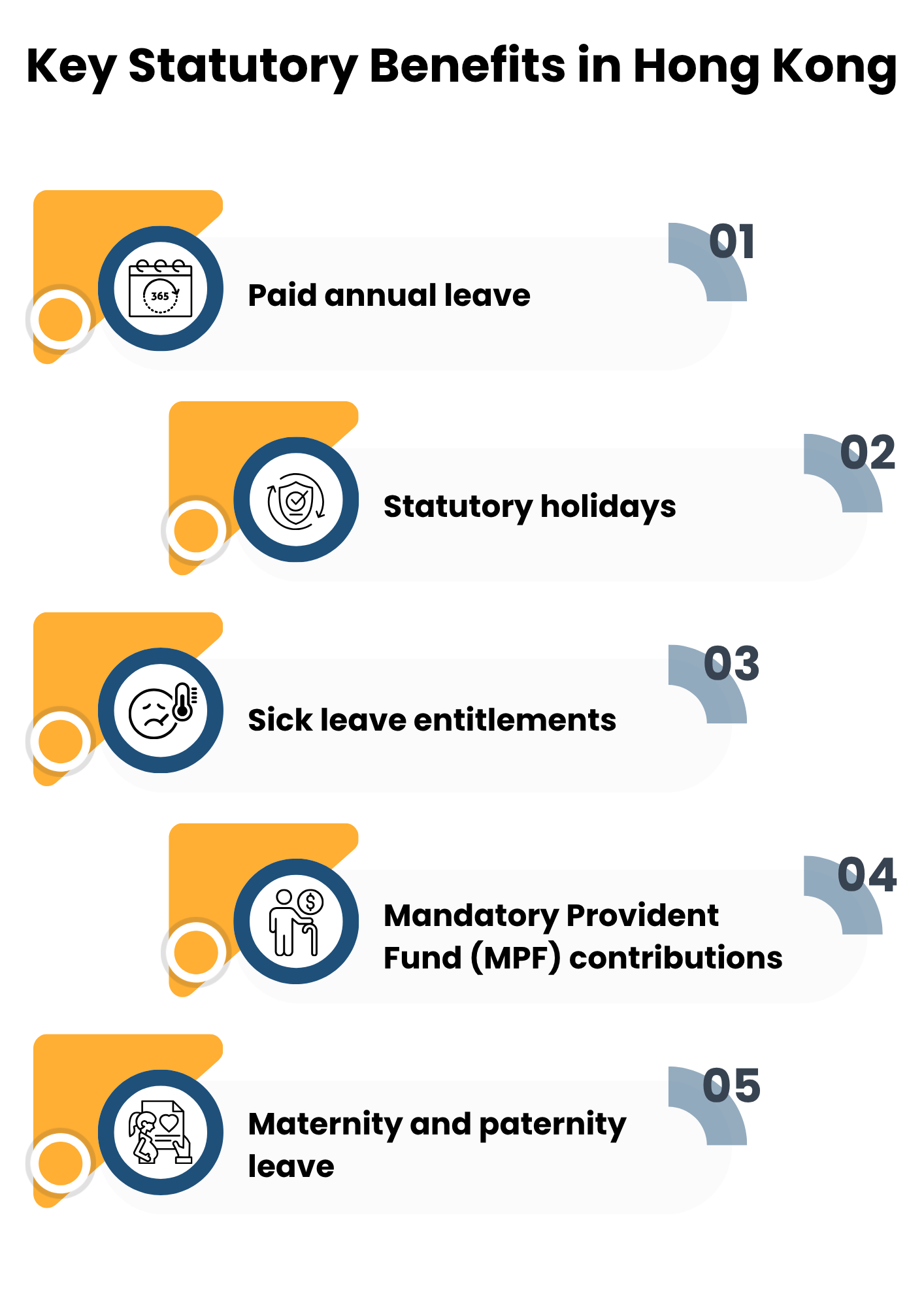
Key statutory benefits include:
- Paid annual leave
- Statutory holidays
- Sick leave entitlements
- Mandatory Provident Fund (MPF) contributions
- Maternity and paternity leave
Annual Leave Entitlement
Employees under continuous contracts are entitled to paid annual leave after 12 months of service.
- 1 year of service: 7 days of paid annual leave
- 2 years of service: 7 days of paid annual leave
- 3 years of service: 8 days of paid annual leave
- 4 years of service: 9 days of paid annual leave
- 5 years of service: 10 days of paid annual leave
- 6 years of service: 11 days of paid annual leave
- 7 years of service: 12 days of paid annual leave
- 8 years of service: 13 days of paid annual leave
- 9 or more years of service: 14 days of paid annual leave
How to Develop a Compensation and Benefits Package in Hong Kong
Creating an effective benefits package requires balancing business resources with employee expectations. A structured approach helps employers design benefits that support both workforce needs and company goals.
1
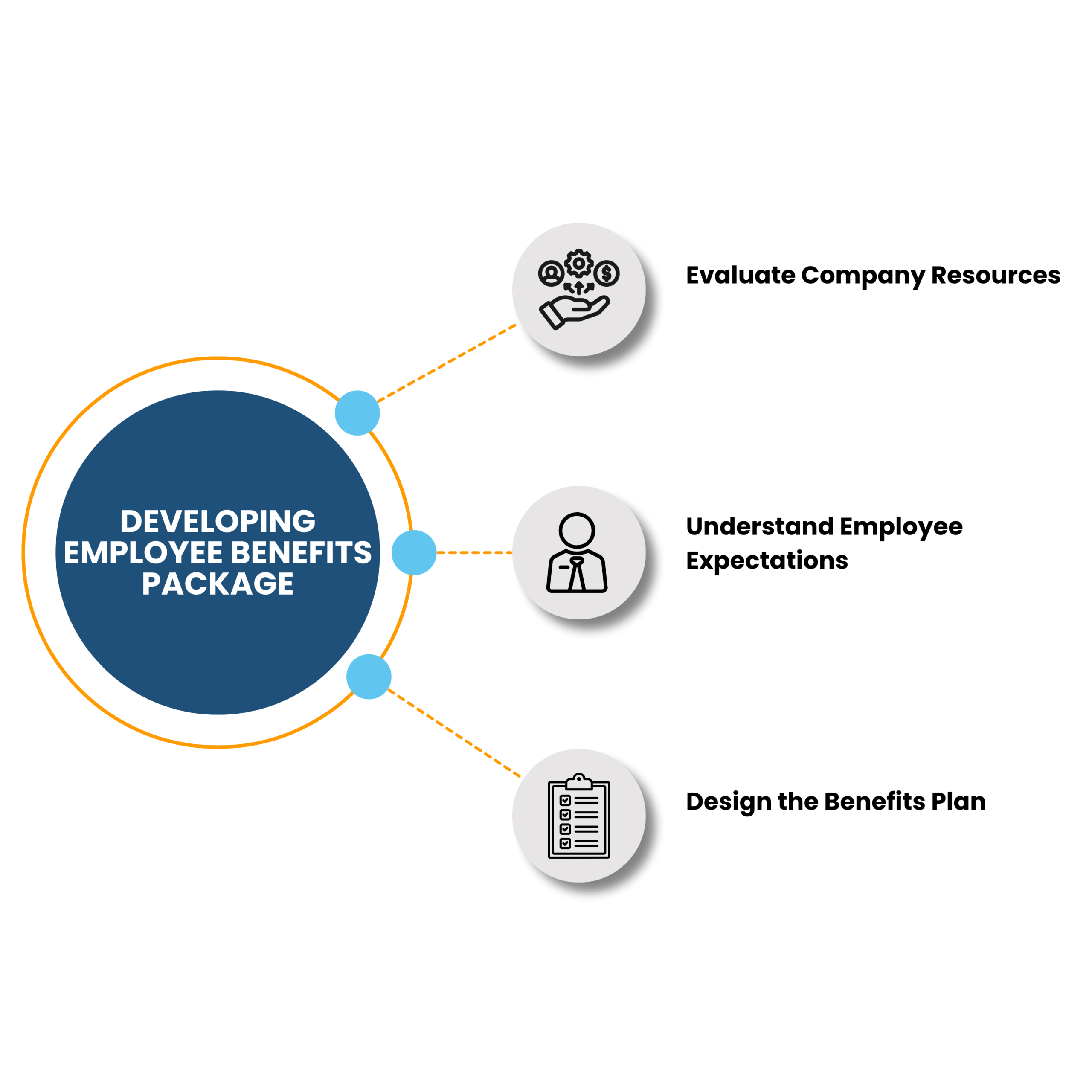
Evaluate Company Resources
Employers should consider:
- Current business revenue
- Workforce size
- Long-term business objectives
- Industry competitiveness
- Expected return on employee investment
2
Understand Employee Expectations
Employers can gather insights through:
- Employee surveys
- Market research
- Competitor benefit comparisons
- Industry benchmarking
3
Design the Benefits Plan
Businesses should first ensure all statutory requirements are covered before allocating additional resources toward supplementary benefits. A well-balanced plan combines compliance, competitiveness, and employee satisfaction.
How to Calculate Employee Benefits in Hong Kong
Calculating employee benefits depends on the type of benefit being provided. Employers must ensure calculations comply with Hong Kong employment requirements.
For benefits such as annual leave and paid holidays, employees are generally entitled to their normal wages during eligible leave periods.
For Mandatory Provident Fund (MPF) contributions, employers and employees are typically required to contribute 5% of relevant income, subject to statutory contribution limits.
Employers should maintain accurate payroll records to ensure benefit calculations and payments are handled correctly.
Tax Treatment of Employee Benefits in Hong Kong
Common taxable benefits may include:

Bonuses and allowances
.

Holiday pay and leave payments
.

Education benefits
.

Stock awards
Pension-related benefits
Employee Health Benefits in Hong Kong
Hong Kong provides accessible public healthcare services, but waiting times for certain treatments and specialist services can be lengthy.
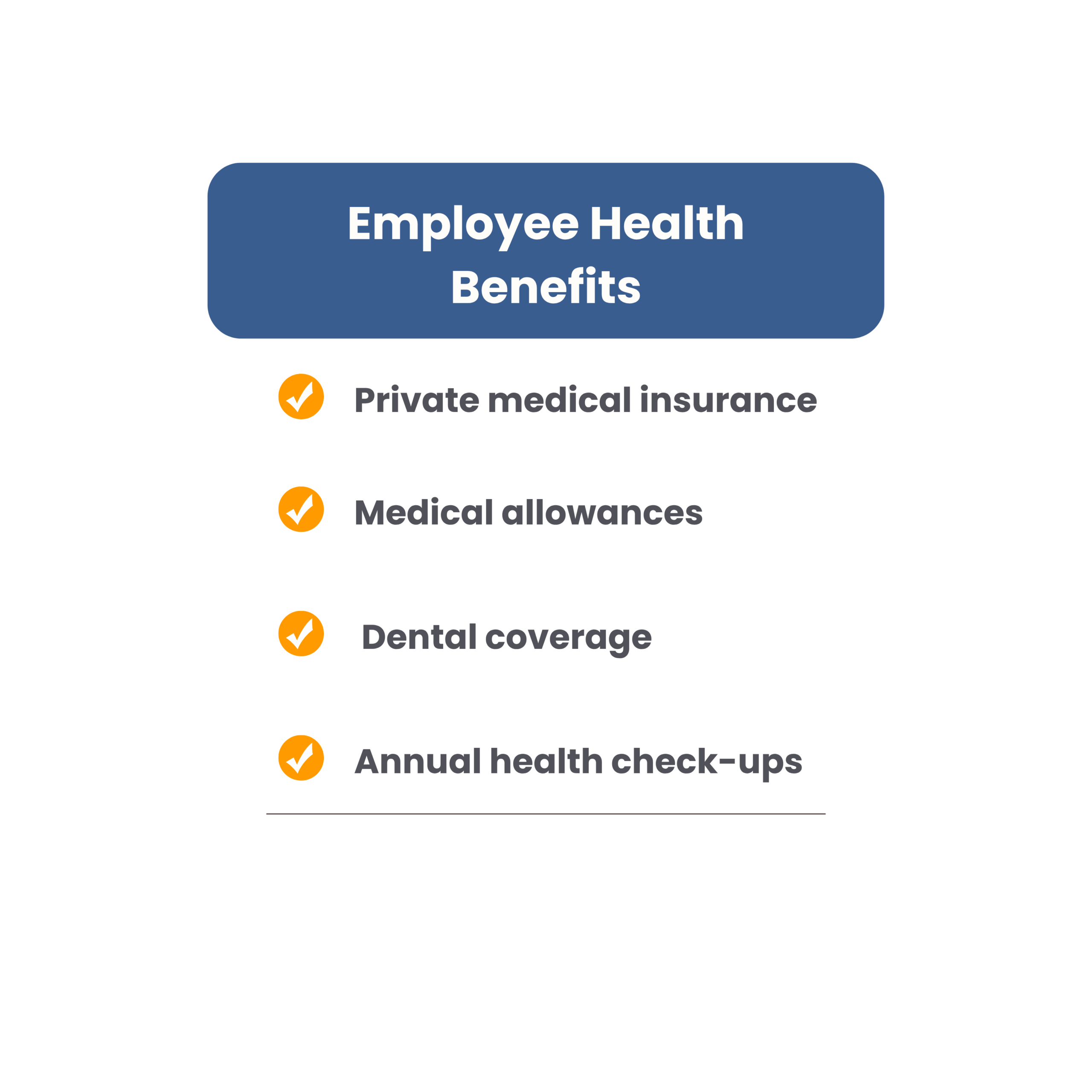
As a result, many employers provide additional healthcare benefits to support employee wellbeing and improve their overall compensation package.Common health-related benefits offered by employers include:
- Private medical insurance
- Medical allowances
- Dental coverage
- Annual health check-ups
While private healthcare benefits are generally not mandatory, they are commonly used by employers to remain competitive when attracting and retaining talent.
Manage Compensation and Benefits with FastLaneRecruit
Developing a compliant and competitive compensation and benefits package requires an understanding of Hong Kong employment regulations and local workforce expectations.
FastLaneRecruit supports businesses with recruitment and HR solutions that help employers manage their workforce effectively. From understanding local employment practices to supporting employee management needs, our team helps businesses build strong and sustainable workforce strategies.
Whether you are expanding into Hong Kong or managing an existing team, FastLaneRecruit provides professional guidance to help you navigate compensation, benefits, and HR requirements.
Get Started with Hong Kong HR Support
A competitive compensation and benefits strategy can help businesses attract talent, improve employee satisfaction, and support long-term growth.
Contact FastLaneRecruit to learn how our Hong Kong recruitment and HR solutions can support your workforce needs.
Book a Free Call with Our Hong Kong Compensation & Benefits Specialist