
Smarter HR Management for a Global Workforce
Managing employee information, payroll, onboarding, compliance and day-to-day HR processes becomes increasingly complex as your workforce grows. A Human Resource Management System (HRMS) helps organize and streamline these processes through centralized employee information, structured workflows and automation.
For businesses hiring across borders, HR technology is only one part of the solution. The right HR processes, local employment expertise and workforce support are equally important.
FastLaneRecruit helps businesses simplify international employment and HR operations through EOR services across multiple markets.

What Is an HRMS?
A Human Resource Management System (HRMS) is a system used to manage and streamline core human resources processes throughout the employee lifecycle.
Core HRMS Functions
Depending on the solution, an HRMS may bring together multiple HR functions and employee management processes within a centralized system.
The central purpose is to give HR teams a more organized way to manage employee information and recurring HR processes instead of relying on disconnected spreadsheets, documents and manual workflows.
What Can an HRMS Include?
Employee records and documentation
Recruitment and onboarding
Payroll and compensation administration
Time, attendance and leave
Benefits administration
Performance and talent management
HR reporting and analytics
Employee self-service
Workforce management
Key Fact About HRMS
An HRMS can streamline HR administration, but the system itself does not automatically make employment compliant in every country. Local employment requirements, payroll rules, contracts and workforce arrangements still need to be properly managed.
What Does an HRMS Do?
An HRMS brings multiple HR processes into a more structured environment so HR teams can spend less time managing repetitive administration.
Centralizes Employee Information
Employee records, employment information and HR documentation can be organized in one system, making information easier to maintain and access according to appropriate permissions.
Automates HR Workflows
Routine processes such as approvals, employee requests, onboarding tasks and HR notifications can be standardized and automated.
Supports Payroll and Benefits Administration
HRMS platforms may connect employee information, compensation, attendance and benefits processes with payroll workflows.
Manages the Employee Lifecycle
An HRMS can support processes from recruitment and onboarding through performance management, development and offboarding.
Enables Employee Self-Service
Employees may be able to access their information, submit requests, review documents and complete routine HR tasks without depending on HR for every administrative action.
Simplify Your HR Operations with a more structured approach to managing employee information and HR processes.
Simplify Your HR Operations →What Features Should an HRMS Include?
Not every business needs every HRMS feature. Focus on the functions that solve your actual HR and workforce-management requirements.
1
Employee Data Management
Centralized employee records, documents, employment information and HR data.
2
Recruitment and Applicant Management
Job openings, candidate information, applications, interviews and recruitment workflows.
3
Onboarding and Offboarding
Structured processes for bringing employees into the organization and completing exit requirements.
4
Payroll and Benefits
Support for compensation, payroll workflows, benefits information and related employee data.
5
Time, Attendance and Leave
Management of working hours, schedules, leave requests and attendance information.
6
Performance and Talent Management
Performance reviews, goals, development activities and talent-related processes.
7
Compliance and Document Management
Organized employee documentation and workflows that support HR administration and compliance processes.
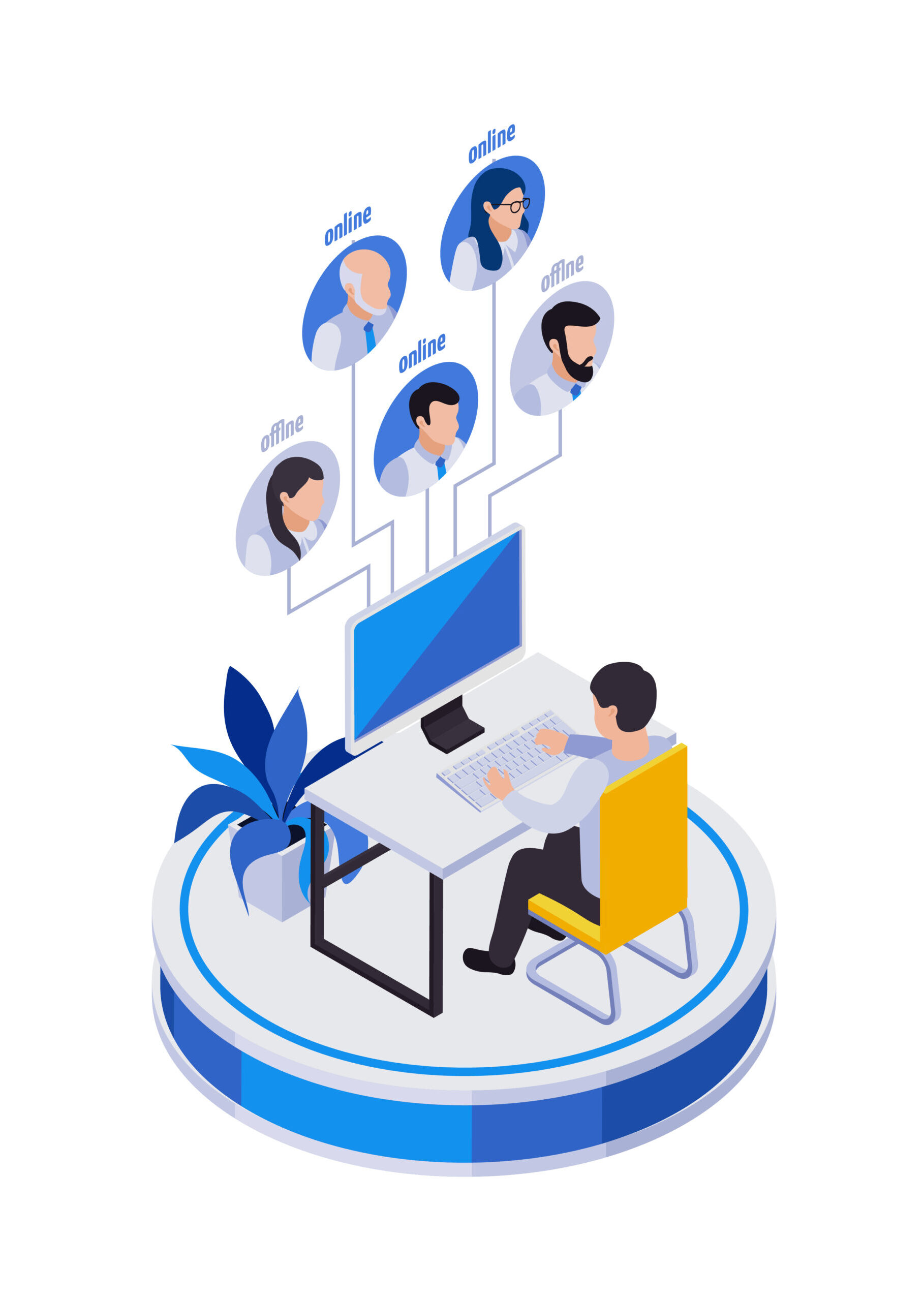
Who Uses an HRMS?
HRMS technology is not limited to the HR department. Different users interact with the system for different purposes.
Supporting Different HRMS Users
An HRMS can provide role-based access to information and workflows across the organization, allowing different teams to use the system according to their responsibilities.
Access levels and available functions can vary depending on the HRMS platform, organizational structure and user permissions.
One System, Different User Needs
HRMS platforms can connect HR administration, management activities, employee self-service and workforce information within a structured system.
Common HRMS Users
HR Teams: Manage employee records, workflows, documentation, reporting and HR administration.
Managers: Approve requests, manage teams and access relevant workforce information.
Employees: Access personal information, documents, leave and other available self-service functions.
Recruiters: Manage candidates and recruitment workflows.
Business Leaders: Review workforce information to support planning and operational decisions.
Role-Based HRMS Access
An HRMS can help organize workforce information while giving different users access to the functions and information relevant to their roles.
Workforce Visibility
Relevant workforce information can be made available to authorized users to support HR administration, team management and planning.
Self-Service & Workflows
Employees and managers can complete available requests and workflows directly within the system, reducing reliance on manual HR administration.
When Does Your Business Need an HRMS?
An HRMS becomes more valuable when manual HR administration starts creating operational friction.
When to Consider an HRMS
Businesses may consider an HRMS when growing administrative demands make it harder to manage employee information, workflows and HR processes consistently.
The need can become more apparent as the workforce grows, HR processes become more complex or employees and managers require greater access to workforce information.
HRMS vs. Employer of Record
If the primary challenge is software and process administration, an HRMS may address part of the problem. If the challenge is employing people compliantly in countries where you do not have a local entity, you may also need an Employer of Record (EOR).
Consider an HRMS If:
Employee information is spread across spreadsheets and documents.
HR teams repeatedly perform the same administrative tasks.
Onboarding involves multiple manual steps.
Employees depend heavily on HR for routine requests.
Payroll and HR information are difficult to coordinate.
Managers lack timely workforce information.
HR reporting takes significant manual effort.
Your workforce is growing rapidly.
You are managing employees across multiple locations.
Maintaining consistent HR processes is becoming difficult.
How FastLaneRecruit Supports Your HR Operations
FastLaneRecruit pairs Employer of Record (EOR) capabilities with your HRMS workflows—helping businesses hire, onboard, and manage international talent without setting up local legal entities.
By uniting your HRMS workflows with our on-the-ground employment infrastructure, we deliver an end-to-end framework for global workforce administration.
Book a Free Consultation with an Expert →Key Capabilities
- Entity-Free Expansion: Hire legally across target markets while we act as the local employer of record.
- HRMS + EOR Integration: Connect your HR data with localized employment administration for distributed teams.
- Full-Lifecycle HR & Payroll: Streamline onboarding, contracts, local payroll, statutory filings, and benefits under one roof.
- Operational Focus: Free up internal teams to focus on daily operations while we manage local compliance.
Global Reach
Australia · China · Hong Kong · India · Malaysia · Philippines · Singapore · Taiwan · Vietnam
Qatar · Saudi Arabia · Switzerland · UAE · United Kingdom
Country availability, applicable employment structures, and specific service scope vary by market.
Frequently Asked Questions About HRMS
What does HRMS stand for?
HRMS stands for Human Resource Management System. It refers to systems used to organize and manage HR information, processes and employee-related administration.
What is the difference between HRMS and HRIS?
HRIS generally focuses on employee information and core HR administration, while HRMS commonly encompasses broader HR processes and automation, such as payroll, recruitment, onboarding, benefits and workforce management. Terminology varies between providers.
What is the difference between HRMS and HCM?
HCM, or Human Capital Management, generally extends HR management into broader workforce and talent strategies, including areas such as performance, learning, workforce planning and succession management.
Does HRMS include payroll?
Some HRMS solutions include payroll functionality or integrate with payroll systems. The exact capabilities depend on the provider and configuration.
Can an HRMS support international employees?
Yes, an HRMS can help organize information and HR workflows for international employees. However, software alone does not satisfy every country’s employment, payroll, tax or immigration requirement.
Is HRMS the same as EOR?
No. HRMS is a system for managing HR information and processes. EOR is an employment model in which an EOR serves as the legal employer for workers in applicable markets. They solve different parts of global workforce management.
When should a company consider EOR instead of only using HRMS?
Consider EOR when you need to employ workers in a country where your business does not have its own local entity and want an employment structure that supports local employment administration.
Can FastLaneRecruit provide EOR services with HRMS support?
FastLaneRecruit provides EOR services for international employment. Our EOR support can complement your existing HRMS or HR technology by handling relevant employment and payroll administration for workers employed through the EOR arrangement.
Which countries does FastLaneRecruit support?
FastLaneRecruit operates in Malaysia, Singapore, Hong Kong, China, India, Philippines, Taiwan, Vietnam, Australia, United Kingdom, Switzerland, UAE, Saudi Arabia and Qatar.
